Getting a job offer is exciting. You have done the interviews, met the team, and negotiated your salary. But then, the employer runs a background check, and something goes wrong.
Finding out you "failed" a background check can be scary. You might feel like the job is gone forever. However, a red flag on a report does not always mean the end of your career. In many cases, you can fix the situation if you act fast.

What should I do if I fail a background check?
If you fail a background check after a job offer, follow these four steps immediately:
- Get a copy of the report: By law, employers must show you the results if they plan to take away the job offer.
- Check for errors: Look for incorrect criminal records, old debt, or identity mistakes.
- Dispute the findings: If the report is wrong, contact the background check company to fix it.
- Talk to the employer: Explain the situation honestly. If the "fail" is due to a minor issue or a mistake, they may still hire you.
Why Do People Fail Background Checks?
Before you panic, you need to know exactly what caused the problem. Not all "fails" are about criminal history. Here are the most common reasons:
- Criminal Records: This is the most common reason. However, sometimes withdrawn charges or conditional discharges show up when they shouldn't.
- Credit Issues: For jobs in finance or at banks, a low credit score report can be a red flag.
- Identity Mistakes: Sometimes, the system mixes you up with someone else who has the same name. This is why identity verification is so important.
- Employment Gaps or Lies: If you said you worked somewhere for four years but only worked for two, the background check will find out.
- Driving History: For jobs that require driving, a suspended license or too many speeding tickets can cause a fail.
Step 1: Request Your Report
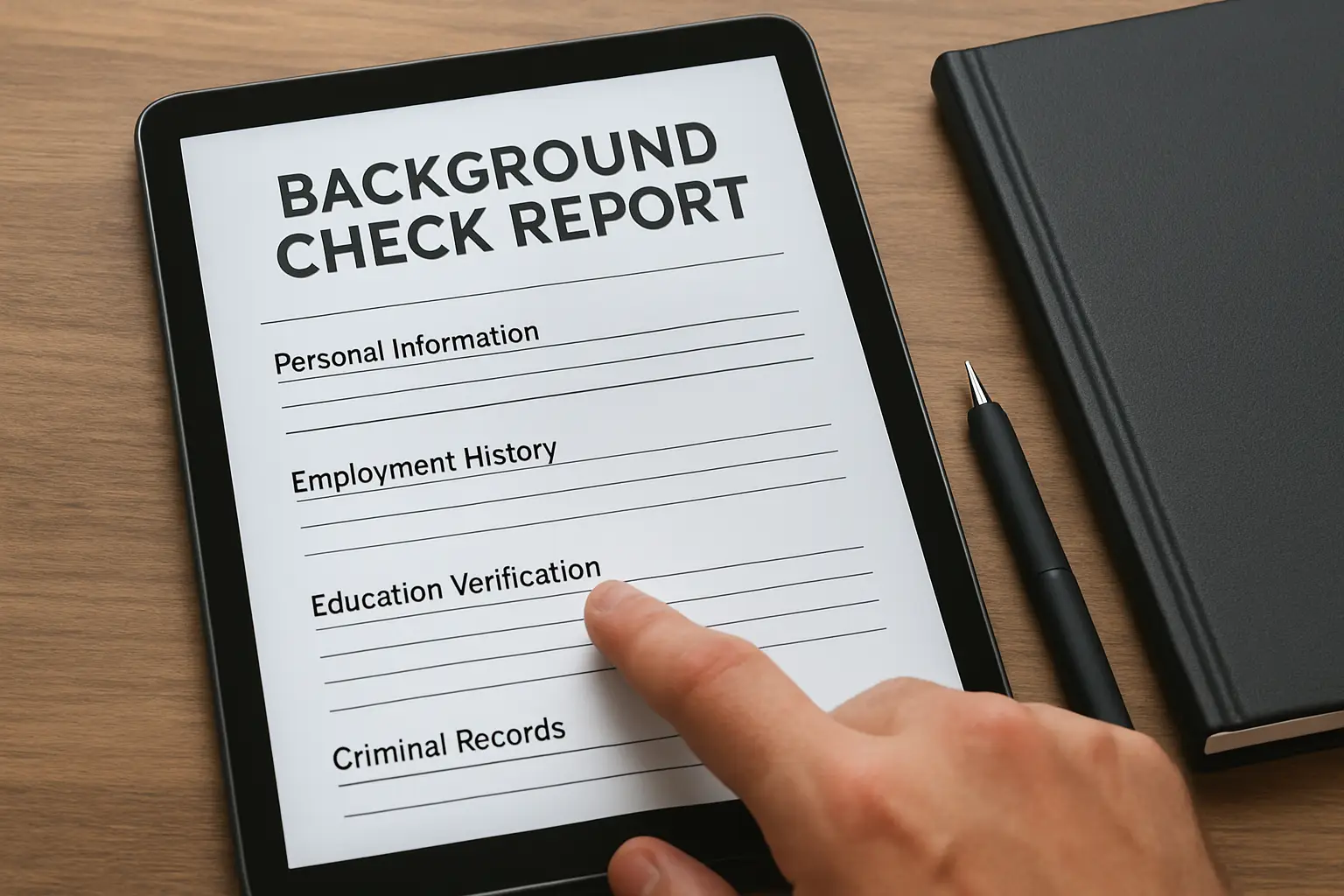
In Canada and the U.S., you have legal rights. If an employer is thinking about taking away a job offer because of a background check, they must tell you. This is often called "Pre-Adverse Action."
You have the right to see exactly what the employer saw. Ask for a copy of the report immediately. You cannot fix a problem if you don't know what it is.
Step 2: Look for Mistakes
Background check companies are usually fast, but they are not perfect. Databases can be old or have typos.
Check your report for:
- Wrong Identity: Does the report show a crime committed by someone with a similar name?
- Old Information: Is there a record that should have been removed or expunged?
- Incorrect Credit Data: Are there late payments listed that you actually paid on time?
Step 3: File a Dispute

If you find a mistake, you must contact the company that ran the check. They are legally required to investigate your claim. This is why knowing how long a background check can take is helpful, as fixing an error can add a few extra days to the process.
Provide proof, such as court documents or bank statements, to show the report is wrong. Once they fix it, they will send a corrected version to the employer.
Step 4: Be Honest with the Hiring Manager

If the report is accurate but shows something negative (like a past mistake), your best bet is honesty.
Most employee criminal record checks are meant to ensure safety, not to punish people for minor mistakes from 10 years ago.
How to have the conversation:
- Don't wait: If you know something will show up, tell the employer before they run the check. It builds trust.
- Take responsibility: Don't make excuses. Explain what happened and how you have changed.
- Show growth: If you had a financial issue, show that you are now working with a credit counsellor. If you had a legal issue, show that you have had a clean record since then.
Step 5: Know the "Criteria"
Every company has different rules. A "fail" at a high-security bank might be a "pass" at a construction company. Just because one company said no doesn't mean you are unemployable.
Employers usually look at:
- Relevance: Does the mistake affect your ability to do the job? (Example: A driving ticket shouldn't stop you from being a computer programmer.)
- Recency: How long ago did the issue happen?
- Severity: Was it a minor mistake or a serious crime?
Prevention for the Next Time
The best way to handle a failed background check is to make sure it doesn't happen again.
- Run a check on yourself: Use a service like Fastkey to see your own criminal record check before you apply for jobs.
- Clean up your record: If you are eligible for a pardon or record suspension, start that process now.
- Check your credit: Stay on top of your financial health.
Conclusion
Failing a background check is a bump in the road, but it isn't the end of the journey. By getting your report, disputing errors, and being transparent with employers, you can often save your job offer or at least prepare yourself for a better experience at the next company.
Are you an employer looking to avoid these headaches? Learn why running an employee background check through a reliable platform like Fastkey can make the process smoother for everyone.